When it comes to keeping your bathroom and shower areas protected from water damage, choosing the right waterproofing caulk is essential, especially in Brisbane’s humid climate. Whether you’re renovating an old bathroom or sealing a brand-new shower, using a high-quality waterproof sealant can prevent leaks and structural issues.
In this guide, we’ll explore the top waterproofing caulks available in Brisbane, what to look for when buying, and tips to ensure a clean, long-lasting finish.
Best waterproofing caulk types in australia :
Top Types of Waterproof Caulk Used in Australia:
1:Silicone Caulk (Most Popular)
Best for: Bathrooms, showers, kitchens.
Features: Fully waterproof, flexible, mould-resistant, long-lasting.
Downside: Difficult to paint over.
2: Acrylic Latex Caulk (Paintable)
Best for: Painted surfaces or trim.
Features: Easy to apply, paintable, water-resistant (not fully waterproof).
Downside: Less durable in high-moisture areas.
3:Hybrid Polymer Sealants
Best for: Heavy-duty waterproofing (indoors and outdoors).
Features: Combines silicone strength with paintability.
Downside: Typically more expensive.
More tips for waterproof caulking your shower and bathroom
Caulking Tips for Showers & Bathrooms:
- Use 100% silicone or mould-resistant waterproof caulk for wet areas.
- Always apply caulk to a dry, clean surface to ensure proper adhesion.
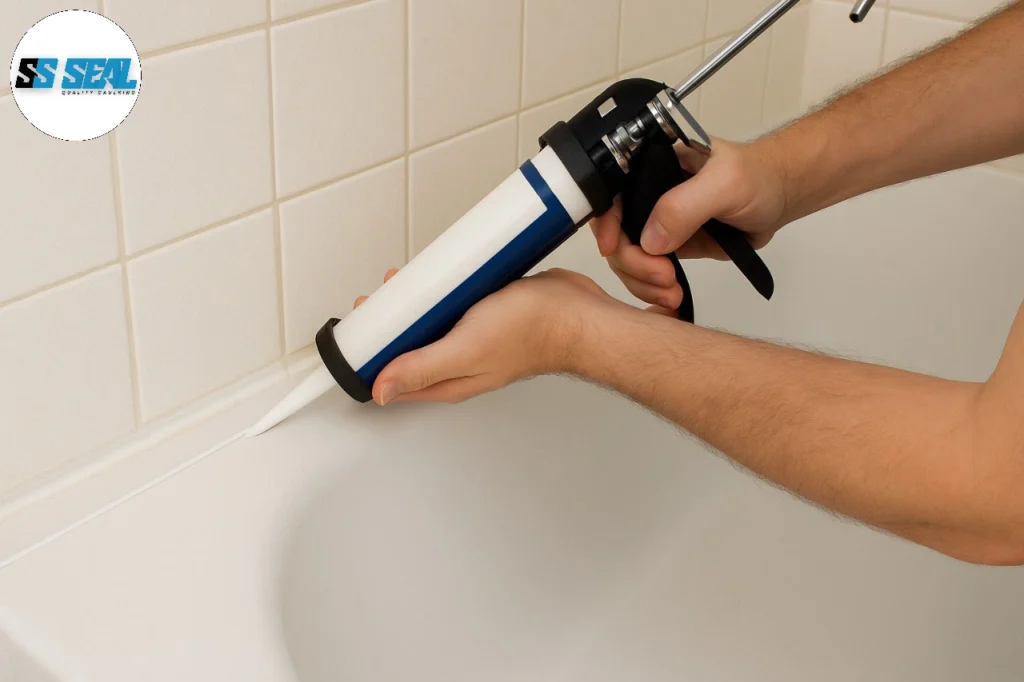
- Avoid overfilling gaps a thin, even bead is more effective and looks cleaner.
- For a smooth finish, use a damp finger or caulk tool immediately after applying.
- Use masking tape along edges if you want perfectly straight lines.
- Don’t shower or expose the area to moisture until the caulk is fully cured (usually 24–48 hours).
- Check caulk yearly and replace it if you see cracks, mold, or peeling.
Challenges of waterproof caulking in shower and bathroom enviroments :
Living in a humid climate, I quickly learned that caulking bathrooms and showers is not as simple as it looks.
One of the biggest challenges I faced was dealing with constant moisture. Every time someone used the shower, water would splash everywhere, especially in those tight corners and joints where tiles meet the tub or walls.
If the caulk wasn’t perfectly applied or the right type wasn’t used, water would slowly seep through, causing damage behind the scenes that wasn’t immediately visible. It was frustrating to see that even a small gap or uneven bead could lead to leaks and, over time, rot or mould in places you couldn’t easily access.
Another frustrating part was the humidity and steam buildup. I noticed that even hours after a shower, the bathroom walls and corners would still feel damp. This constant dampness made it really easy for mould and mildew to take hold, especially around the edges of the caulking.
I once used a cheaper caulk that wasn’t mould-resistant, and within a few months, it started to discolor and crack, which meant having to redo the job much sooner than I expected. The smell of mould in the bathroom was something I had to deal with, and I realized that investing in high-quality, mould-resistant caulk was essential for a cleaner, healthier home.
Temperature changes also gave me trouble. On cold mornings, the bathroom tiles felt icy, but after a hot shower, everything would steam up and expand. I found that this constant expansion and contraction put a lot of stress on the caulk lines.
If the caulk wasn’t flexible enough, it would crack or pull away from the surface. Over time, those cracks allowed water to sneak behind the tiles, which meant more repairs down the line. I remember one winter when the caulk around the shower door completely split apart, causing leaks that damaged the flooring beneath.
Cleaning was another issue I hadn’t considered at first. Bathroom cleaners with harsh chemicals would wear down the caulk over time. I had to be careful choosing products because some of them made the caulk brittle or caused it to peel. Balancing the need to keep the bathroom clean without damaging the sealant was a constant challenge. It made me realize that using high-quality, chemical-resistant caulk was worth the extra cost. I also started switching to milder cleaning products around caulked areas, which helped preserve the seal longer.
Finally, preparing the surface before applying caulk was probably the hardest and most time-consuming part. I made the mistake of trying to put new caulk over old residue and damp spots, only to have it fail within weeks. Getting the area completely clean and dry took patience, but it made all the difference. I learned that no matter how good the caulk is, without proper prep work, it just won’t stick or last. Now, I always spend extra time scraping off old caulk and making sure the surface is spotless before starting, which saves me time and money in the long run.

To choose the Safe material options
Low-VOC and Non-Toxic Caulks
Many traditional silicone or acrylic caulks can emit volatile organic compounds (VOCs), which contribute to indoor air pollution and can cause headaches, dizziness, or respiratory irritation in sensitive individuals. Choosing low-VOC or zero-VOC labeled caulks helps reduce these risks. These products are designed to minimize harmful chemical emissions while still providing excellent waterproof sealing.
Mould-Resistant Without Harmful Additives
Caulks formulated for bathrooms often include mould and mildew inhibitors. When choosing these, look for products that use safe, non-toxic additives rather than harsh biocides that could impact health or the environment. Some brands now offer natural or plant-based mould resistance that effectively prevents growth without releasing dangerous chemicals.
Eco-Friendly and Sustainable Options
If you’re environmentally conscious, seek out caulks made from renewable resources or those packaged in recyclable materials. Some manufacturers offer silicone-free or hybrid polymer sealants that have a lower environmental footprint during production and disposal. Always check product labels or manufacturer websites for certifications like GreenGuard or EcoLabel, which indicate safer and greener products.
Safe Application and Ventilation
Regardless of the caulk chosen, proper application is essential. Use these products in well-ventilated areas and follow manufacturer instructions closely. Wearing gloves and masks during application can further reduce any potential irritation. After caulking, keeping your bathroom ventilated while the sealant cures helps prevent buildup of fumes and ensures a safer environment.
final words:
if you are looking out for a solution for your bathroom and shower damages in humid wheater , we acompany you with great services , contact SSseal sydney services in australia and see the upleveling changes .