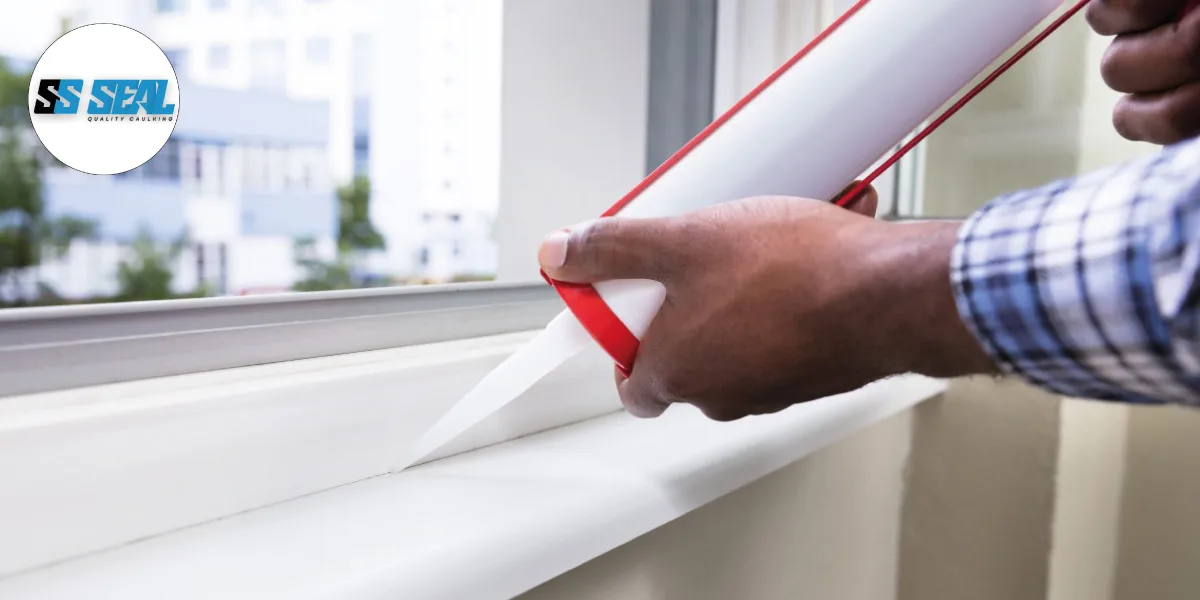
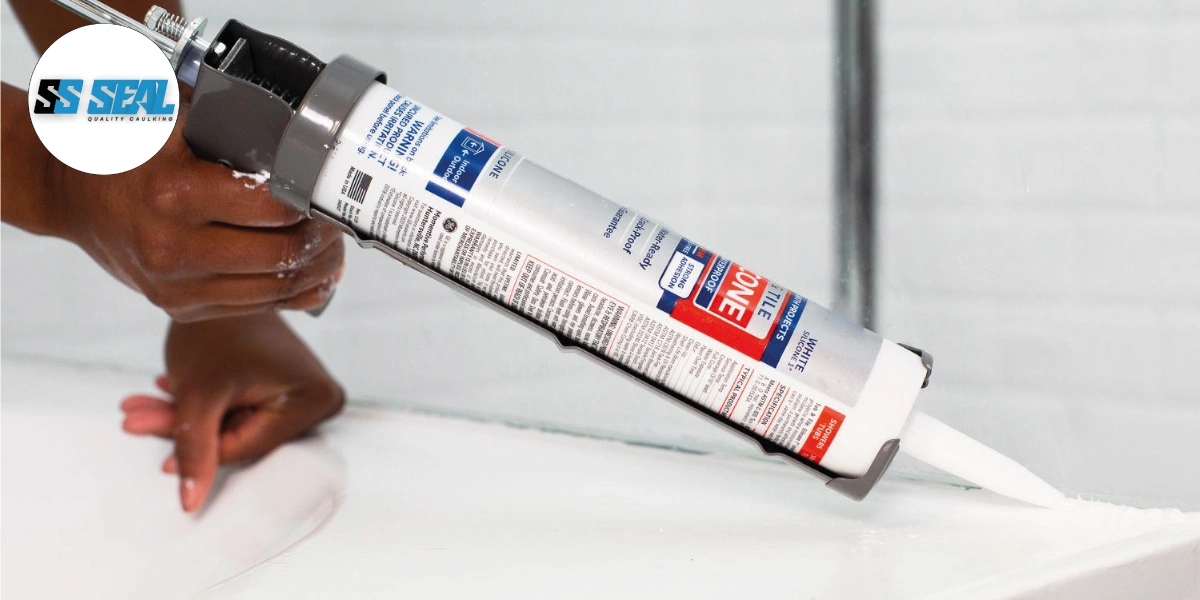
Whether you’re sealing a bathroom, fixing cracks, or prepping a space for painting, mastering the right caulk techniques is key to a clean, professional finish. In this guide, we’ll explore effective methods and expert tips to help you apply caulk smoothly and ensure long-lasting results.
What are useful caulking techniques ?
If you intend to caulk your house yourself and refuse asking for professional help , here you must consider the type of tools you use and the way you apply caulk so it lasts . first Choose the Right Caulk : Silicone: Best for bathrooms and kitchens (water-resistant). Acrylic latex: Great for trim and paintable surfaces.Polyurethane: Ideal for exterior use flexible and durable. Then for applying it , Let the area dry fully before applying a new caulk.A dripless caulk gun gives better control and less mess.
Cut the nozzle at a 45° angle to match the width of the gap.Use painter’s tape to mask edges for a clean line. Apply with Steady, PressurePush the caulk into the gap rather than pulling it this helps it adhere better.
Apply a continuous bead without stopping if possible.Smooth Immediately,Use a caulk-smoothing tool or your finger dipped in water.Smooth the bead right after applying, then remove tape immediately for crisp edges.Let It Cure,Follow the manufacturer’s drying time…usually 24 hours
Best way to caulk anywhere: step by step caulking process:
- Remove Old Caulk
- Use a utility knife or caulk remover tool to scrape away old caulk.
- Clean the surface with soap and water, then let it dry .
- Tape the Edges ,Apply painter’s tape along both sides of the joint to ensure a clean line.
- Prepare the Caulk Tube, Cut the nozzle at a 45° angle to match the width of the gap. Puncture the inner seal using a nail or the built-in cutter on your caulk gun.
- Load the Caulk Gun , Insert the tube into the gun and press the release trigger to get it ready.
- Apply the Caulk,Squeeze the trigger gently and move steadily along the joint.
- Try to apply a continuous bead without stopping. Smooth the BeadUse a caulk-smoothing tool or your finger dipped in water.Press lightly and run along the bead to smooth it out.
- Remove the painter’s tape immediately after smoothing
- let It CureAllow the caulk to dry
- Avoid touching or getting the area wet during this
The best ways of caulking techniques :
You will need
Caulk (silicone or acrylic, depending on the surface)
Caulk gun (for applying the caulk)
utility knife or scraper (to remove old caulk)
Painter’s tape (for clean edges)
Rags/paper towels (for wiping excess)

Why Caulking matters ?
- Seals Out Moisture
- Prevents water from seeping into cracks around tubs, sinks, windows, and roofs
- Helps avoid mold, mildew, and water damage to walls and floors
- Improves Energy Efficiency
- Blocks drafts and air leaks around windows, doors, and baseboards
- Keeps warm air in during winter and cool air in during summer—lowering energy bills
- Reduces Noise
- Fills gaps in walls and floors that allow sound to travel between rooms or from outside
- Enhances Appearance
- Gives a clean, finished look to joints and seams
- Fresh caulk can make old fixtures look new again
- Protects Structural Integrity
- Prevents moisture from weakening wood, drywall, or masonry
- Extends the life of your home’s materials
What about the new innovative ways for caulking techniques ?
- The caulking industry, once considered a niche corner of construction and home improvement, has evolved dramatically in recent years thanks to a wave of innovation driven by sustainability, performance demands, and user convenience. One of the most transformative shifts has been the development of eco-friendly caulking formulations. As environmental regulations tighten and consumer awareness grows, manufacturers are moving away from traditional high-VOC (volatile organic compound) products toward low-VOC or VOC-free alternatives. These new formulations not only reduce harmful emissions that contribute to indoor air pollution but also align with green building certifications like LEED. Some companies are even experimenting with biodegradable or plant-based ingredients, offering a more sustainable life cycle for caulking materials without compromising performance.
- Another major leap forward is the rise of hybrid caulks, which blend the best properties of silicone, acrylic, and polyurethane. These hybrids are engineered to offer superior adhesion, flexibility, and durability across a wide range of surfaces and environmental conditions. Unlike older formulations that might crack, shrink, or discolor over time, hybrid caulks maintain their integrity even in high-moisture or high-movement areas. This makes them ideal for both interior and exterior applications, from sealing bathtubs and backsplashes to weatherproofing siding and windows. In addition, many of these new caulks are paintable and fast-curing, allowing for quicker project turnaround and a more seamless finish.Safety and hygiene have also become key drivers of innovation. The introduction of specialty caulks such as fire-resistant, acoustic, and antimicrobial variants has expanded the role of caulking in both residential and commercial settings. Fire-rated caulks are now standard in many commercial buildings, helping to contain flames and smoke in the event of a fire. Meanwhile, antimicrobial caulks are increasingly used in hospitals, kitchens, and bathrooms to inhibit the growth of mold, mildew, and bacteria. These products not only meet strict building codes but also offer peace of mind in environments where cleanliness and safety are paramount.
- Technological advancements in application tools have further revolutionized the user experience. Traditional manual caulking guns are being replaced or supplemented by electric and battery-powered models that offer greater precision, reduced hand fatigue, and features like dripless control and auto-stop mechanisms. These tools make it easier for both professionals and dyers to achieve clean, consistent results with less mess and waste. Some systems even include interchangeable nozzles for different bead sizes and shapes, allowing for more customized applications.
- Aesthetic considerations have also come to the forefront. Manufacturers now offer paintable caulks in a wide range of colors, and some even provide custom tinting kits to match specific design palettes. This allows caulking to blend seamlessly into its surroundings, enhancing the visual appeal of finished projects. In high-end construction and remodeling, where attention to detail is paramount, this level of customization is a game-changer.

Extra Caulking Tips You Might Not Know
1. Mark an Orientation Line on the Tube
Draw a line on the caulk tube that lines up with the angled tip. This helps you keep the nozzle consistently aligned while applying, especially in tight corners.
2. Warm the Caulk for Smoother Flow
If it’s cold, soak the caulk tube in warm water for 10–15 minutes before use. This softens the material and makes it easier to apply evenly.
3. Sand the Nozzle Tip into a V-Groove
Some pros lightly sand the tip of the nozzle into a V-shape. This helps it fit better into corners and reduces excess buildup on trim edges.
4. Use Soapy Water for Smoothing
Dip your finger or smoothing tool in a mix of water and dish soap. It prevents sticking and gives a super-smooth finish especially helpful with silicone caulk.
5.Freeze Leftover Caulk
If you’ve got half a tube left, seal the tip tightly and store it in the freezer. It can extend the life of the caulk for months just let it thaw before reuse.
6. Use a Damp Sponge for Final Touches
After smoothing, a damp sponge can clean up edges and remove smudges without disturbing the bead.
7. Test on Scrap First
Before applying to your actual surface, test your bead on a piece of cardboard or scrap wood. It helps you get a feel for pressure and flow.
Last words :
Caulking has evolved from basic tar and fiber sealing in ships to high-tech, eco-friendly sealants used across industries. Make sure to use good material and tools because high quality caulking enhances structural protection and it lasts . we can help you in your choices in caulking with SS seal sydney .