What Is Caulking ?
If you’ve ever noticed a neat strip of material sealing the edges around your bathtub, along your window frame or between your kitchen sink and countertop, you’ve seen caulking at work.
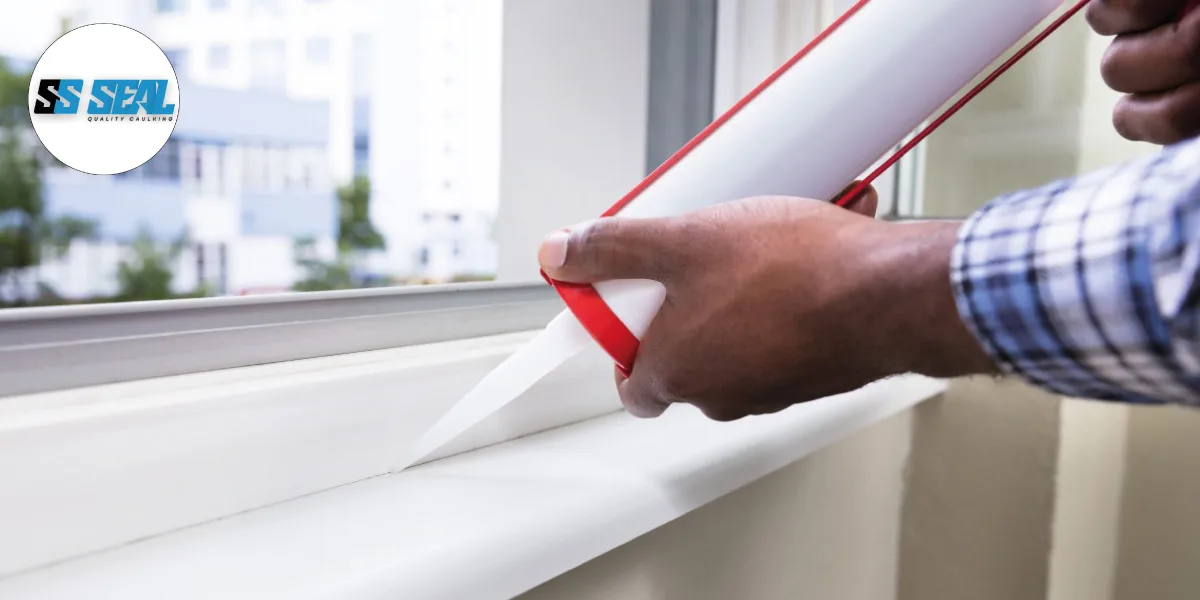
simply, caulking is the process of sealing gaps, joints, or seams between building materials using a flexible sealing compound called caulk.
This small but mighty strip of material plays a big role . It blocks unwanted air drafts, water leaks, dust, and even pests from sneaking in or out of your home or building.
Thanks to modern technology, modern caulks are no longer a one size fits all product.
They come in different formulations, such as silicone, acrylic, polyurethane, and even custom blends, each designed for specific materials, conditions, and locations.
Choosing the right type of caulk makes all the difference in how well it performs and how long it lasts.
What About Silicone Caulk?
When it comes to sealants, silicone caulk has become the gold standard.
you will find it in residential, commercial, and industrial settings because it offers outstanding flexibility and durability that many other materials just can’t match.
It’s especially productivel in environments where moisture, heat, and movement are constant challenges places like bathrooms, kitchens, window frames, and exterior joints.
Unlike old-fashioned acrylic caulk, silicone doesn’t shrink, crack, or turn brittle with time.
It keeps its elasticity for years, so it can flex naturally as surfaces expand or shift with temperature changes or building movement.
You want to know one of its star qualities? Silicone caulk naturally resists mold, mildew, and bacteria growth.
This makes it the perfect choice for sealing around showers, tubs, sinks, and along tile edges anywhere water is part of daily life.
It sticks best to smooth, non-porous materials such as glass, ceramic, metal, and certain plastics.
But there’s one thing to note, silicone can’t be painted over. That means you’ll want to choose a caulk color that blends well with your project from the start.
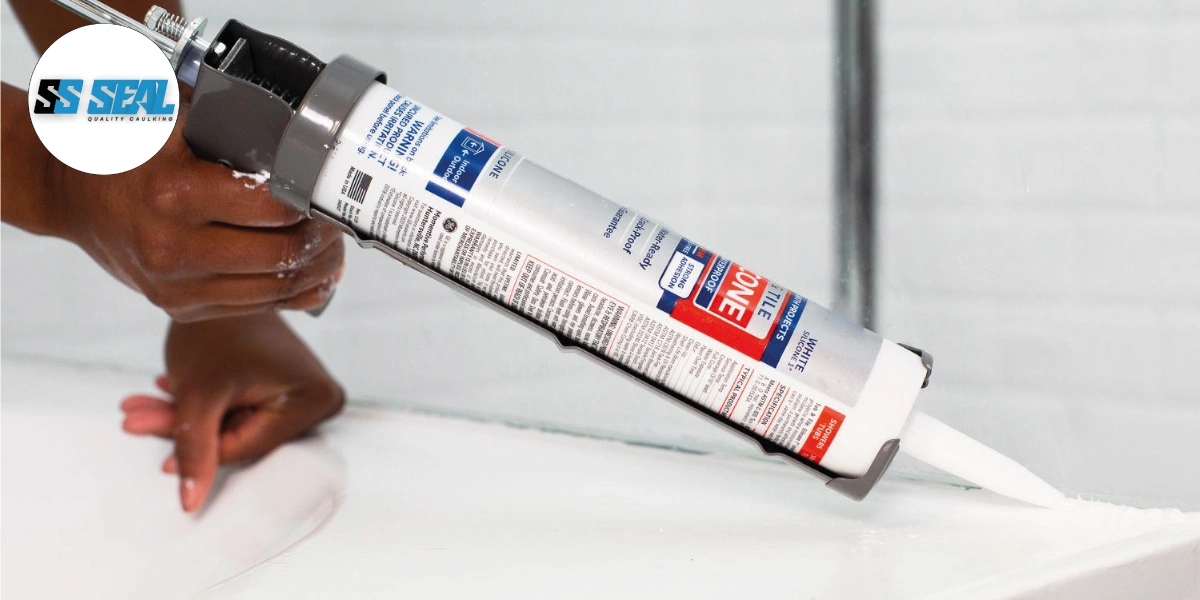
Applying it neatly does take a bit of care usually a caulking gun and a steady hand plus some cleanup with mineral spirits. But when applied correctly, silicone provides a watertight, long-lasting seal that feels truly professional.
The Outdoor Advantage of Silicone Caulk
Silicone isn’t just for kitchens and bathrooms it’s equally effective outdoors.
It stands up to harsh sun, driving rain, freezing winters, and scorching summers without losing flixibility or wearing down.
Thanks to its natural UV stability and weatherproof qualities, it won’t fade or crumble even in extreme conditions.
Use it to seal around windows, siding, vents, and exterior fixtures, and you can expect performance that lasts 10 to 20 years with proper preparation and installation.
Whether you’re doing a quick weekend project or sealing for large scale construction, silicone caulk is one of the most reliable and effective solutions for creating airtight and waterproof seals.

Why Silicone Caulking Matters
Silicone caulking is more than a finishing touch, it’s a long-term investment in your home or workshop space.
Unlike acrylic or latex caulks, silicone is engineered to handle extreme conditions from high humidity to drastic temperature changes, relentless sun exposure, and the constant expansion and contraction of materials.
It remains elastic for years, so it won’t crack, shrink, or peel away.
This long-lasting flexibility allows it to create tight, watertight seals that stop water from sneaking in and causing damage like:
-
Mold or mildew growth
-
Wood rot
-
Drywall deterioration
In other words, silicone caulking is a protective shield—preserving the structural integrity of floors, walls, windows, and fixtures.
More Than Just Protection
Beyond defense against water damage, silicone caulking improves energy efficiency by maintaining airtight seals around your home or building.
This extra layer of insulation means fewer drafts and over time lower heating and cooling bills.
It’s also a champion of hygiene. Because silicone resists mildew and bacteria, it’s perfect for:
-
Bathrooms and showers
-
Kitchens and food preparation zones
-
Medical and laboratory environments
While you can’t paint over silicone, it’s available in a range of colors designed to blend seamlessly with your materials.
That way, you can achieve both functionality and a clean, polished appearance.
When used outside, its resistance to sun, rain, snow, and seasonal temperature swings makes it one of the most dependable sealing solutions available.
For contractors, homeowners, and property managers alike, it offers a proven way to ensure professional-grade results that last for years.
Flexibility and Long-Term Performance
Silicone caulking’s biggest strength is its ability to stay flexible.
Long after most sealants start pulling away or cracking, silicone continues to stretch and move with your building.
That means fewer repairs and less maintenance over the years a huge plus for busy homeowners and facility managers.
It’s also a top performer in moisture-prone spaces.
Bathrooms, laundry rooms, kitchens, and utility areas all benefit from silicone’s watertight barrier, which blocks moisture from getting into walls or under flooring.
This helps prevent structural weakening as well as unhealthy mold growth especially in places that are hard to clean regularly.
And when it comes to exterior use, silicone shines again. Unlike some other caulking products, it won’t break down or lose
color after prolonged exposure to the sun, nor will it be damaged by freezing and thawing cycles. As a result, you get reliable performance season after season.
What About Professional Caulking?
If you’ve ever attempted caulking yourself, you know it’s not always as easy as it looks. While applying a bead of caulk might be straightforward, achieving a perfect finish and ensuring it will last for years sometimes requires professional skill.
Professional caulking services are essential for homeowners and businesses who want maximum durability and efficiency. Skilled contractors not only use high-quality sealants but also the best techniques to prevent future air or water infiltration. This helps avoid potentially costly damage and improves insulation levels.
Experts can also:
-
Spot problems you might not notice
-
Choose the exact right sealant for the job
-
Prepare the surfaces for maximum adhesion
-
Apply caulk in clean, straight, even lines
-
Ensure compliance with building codes
Hiring professionals ultimately means fewer repairs down the road and a polished, professional finish that also boosts the property’s value.

Caulking for Homes
For homeowners, caulking is one of the most effective ways to keep your home comfortable and energy-efficient.
By sealing gaps around windows, doors, bathtubs, and sinks, you can prevent drafts, moisture intrusion, and pest entry all while cutting down on heating and cooling costs.
Choosing the right caulk is important.
Silicone is best for areas with high moisture, while acrylic latex works well for spots where painting over the caulk is necessary.
It’s also smart home maintenance to check your caulking once or twice a year.
Look for peeling, cracks, or gaps and replace damaged sections to keep your home’s protective seal in place.
Beyond practical benefits, neat caulking creates clean transitions between surfaces, hides imperfections, and enhances the overall look of your home.
It’s a low-cost upgrade that pays off in both appearance and protection.
Bottom Line
In conclusion, silicone caulking is one of the most reliable, versatile, and long-lasting sealing options available today. Whether it’s for sealing a shower in a residential bathroom, weatherproofing commercial windows, or protecting industrial equipment from the elements, silicone delivers exceptional performance.
Its unbeatable combination of flexibility, water resistance, mold prevention, and weatherproof durability makes it ideal for both indoor and outdoor use.
From preventing expensive water damage to improving energy savings and providing a sleek finish, silicone caulk isn’t just an accessory it’s a smart investment you can count on for years.
If you’re looking for the best way to seal, protect, and upgrade your space, our site is your trusted resource for everything related to silicone caulk.